
Recognizing Early Signs of Cataracts, Glaucoma, and Macular Degeneration
Blog:Recognizing Early Signs of Cataracts, Glaucoma, and Macular Degeneration
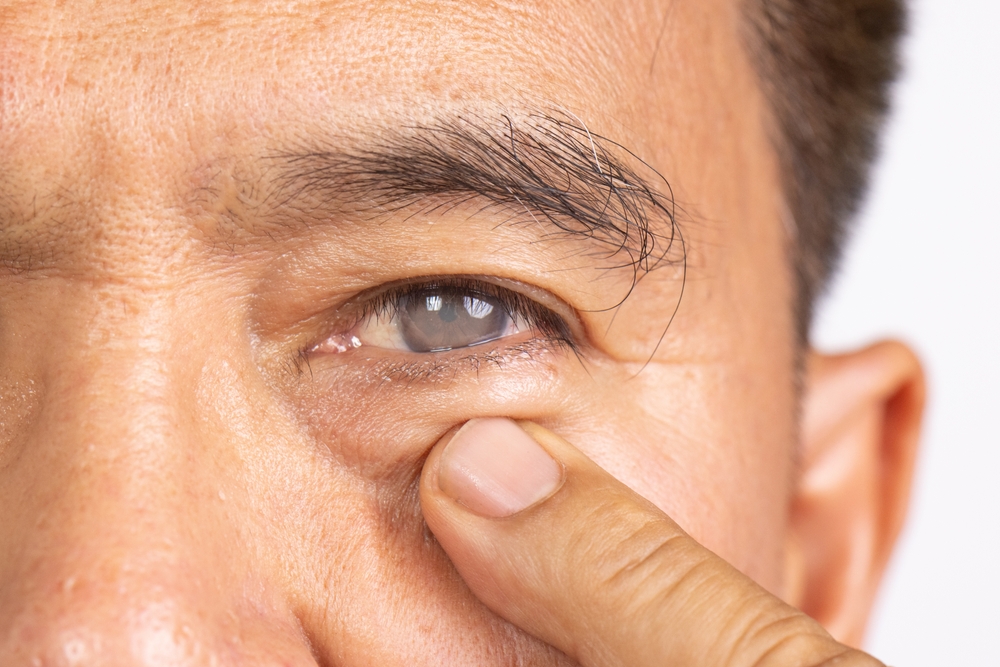
Your eyesight is one of your most precious senses, yet many serious eye diseases develop silently - showing no symptoms until significant vision loss occurs. Cataracts, glaucoma, and macular degeneration are among the leading causes of blindness worldwide. Recognizing their early signs and maintaining regular eye exams can make all the difference in preserving your vision for years to come.
Cataracts: When Vision Becomes Clouded
Cataracts occur when the natural lens of the eye becomes cloudy, often as a result of aging, UV exposure, or certain health conditions such as diabetes.
Early signs include:
Blurry or dim vision
Sensitivity to light and glare
Difficulty seeing at night
Faded colors or needing brighter light to read
While cataracts are highly treatable with surgery, early detection allows your optometrist to monitor progression and help you manage symptoms before they significantly impact daily life.
Glaucoma: The Silent Thief of Sight
Often called “the silent thief of sight,” glaucoma damages the optic nerve, usually due to increased eye pressure - but not always. Because it develops gradually and without pain, many people don’t realize they have it until peripheral vision is lost.
Early indicators can include:
Subtle loss of side vision
Eye pain or pressure (in some cases)
Blurred vision or seeing halos around lights
Routine eye exams are crucial for catching glaucoma early - once vision loss occurs, it cannot be restored. With timely diagnosis, treatment options such as eye drops, laser therapy, or surgery can slow or prevent further damage.
Macular Degeneration: Blurring Your Central Vision
Age-related macular degeneration (AMD) affects the macula, the central part of the retina responsible for detailed vision. It’s one of the most common causes of vision loss in older adults. Early symptoms include:
Distorted or wavy lines
A dark or empty spot in the center of vision
Difficulty recognizing faces
Lifestyle changes, proper nutrition, and regular monitoring can help slow AMD progression, especially when detected early.
Protect Your Sight with Diabetic Eye Exams in Vancouver
The best defense against vision loss is prevention. Diabetic eye exams allow your eye doctor to detect even the earliest signs of disease, often before symptoms appear. At Westside Eye Center, we use advanced diagnostic technology to monitor your eye health and ensure any issues are addressed promptly.
Safeguard Your Sight at Westside Eye Center
Cataracts, glaucoma, and macular degeneration may develop quietly, but their impact on your vision can be profound. By scheduling routine eye exams - especially if you have diabetes or a family history of eye disease - you’re taking the most important step toward protecting your sight.
Schedule your diabetic-related eye exam with Westside Eye Center to detect potential issues early and keep your eyes healthy for the future. Visit our office in Vancouver, Washington, or call (360) 694-0760 to book an appointment today.
Quick Links
Helpful Articles
article_category: psychiatry
article_category: exotic
article_category: cosmetic
article_category: surgical procedures
article_category: restorative
article_category: eye surgery co-management
article_category: technology
article_category: large animal
article_category: dogs
article_category: conditions
article_category: contact lenses
article_category: eye health
article_category: services
article_category: general
article_category: health
article_category: preventative
article_category: Aesthetics
article_category: ocular disease management
article_category: FAQ & tips
article_category: products
article_category: cats
article_category: eyeglasses
[]
article_category: exotic
article_category: cosmetic
article_category: surgical procedures
article_category: restorative
article_category: eye surgery co-management
article_category: technology
article_category: large animal
article_category: dogs
article_category: conditions
article_category: contact lenses
article_category: eye health
article_category: services
article_category: general
article_category: health
article_category: preventative
article_category: Aesthetics
article_category: ocular disease management
article_category: FAQ & tips
article_category: products
article_category: cats
article_category: eyeglasses
[]
Flowbite is an open-source library of interactive components built on top of Tailwind CSS including buttons, dropdowns, modals, navbars, and more.
Check out this guide to learn how to get started and start developing websites even faster with components on top of Tailwind CSS.

All Eyecare Services
We offer a wide variety of eye care services to the Vancouver community. Contact us with any questions about our services.

Keep In Touch
For non-urgent questions or to learn more about our services, contact us today!
Quick Links
Contact Info
- 7017 NE Hwy. 99.# 202
Vancouver, WA 98665 - Phone: (360) 694-0760
- Fax: (360) 694-1091
Hours of Operation
- Monday 8:00am - 5:00pm
- Tuesday 8:00am - 5:00pm
- Wednesday 8:00am - 5:00pm
- Thursday 8:00am - 5:00pm
- Friday 8:00am - 3:00pm
- Saturday Closed
- Sunday Closed
- Monday
- Tuesday
- Wednesday
- Thursday
- Friday
- Saturday
- Sunday
- Monday
- Tuesday
- Wednesday
- Thursday
- Friday
- Saturday
- Sunday
© 2026 Westside Eye Center. All rights Reserved - Accessibility Statement - Privacy Policy - Sitemap
Managed and Designed by 